Before staking money, understand when a bet wins, when it loses, how it pays and which variant changes the calculation. These illustrated guides separate rules from spectacle and probability from impressions.
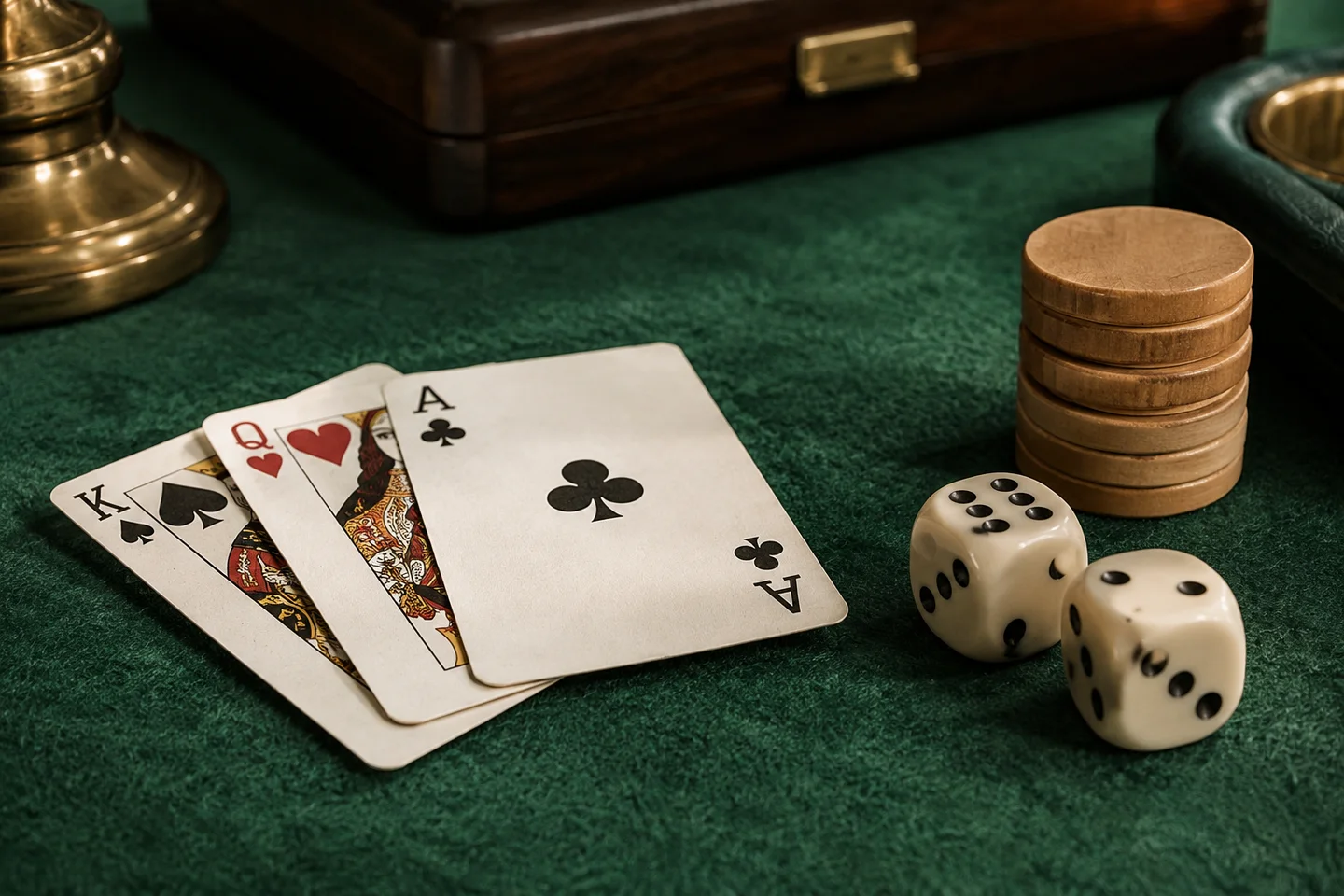
AI illustration: Cards, dice and tokens for studying game rules · AI-generated image · WORLD GAMBLING GUIDE
12 items shown
No matching item.
12 detailed guides · Play · Payouts · Probability
Choose a game
Every guide covers equipment, play sequence, payments, variants and mathematical risk.
AI-generated image · WORLD GAMBLING GUIDE
♠
Cards · Betting · Pot
Texas Hold’em poker
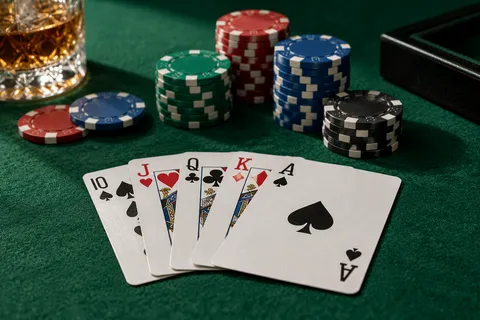
Texas Hold’em is played against the other players. Each participant receives two private cards and shares five community cards. The aim is to make the best five-card hand at showdown or cause every opponent to fold first. A casino or platform normally charges rake or tournament fees, so winning a hand is not the same as making a long-term profit.
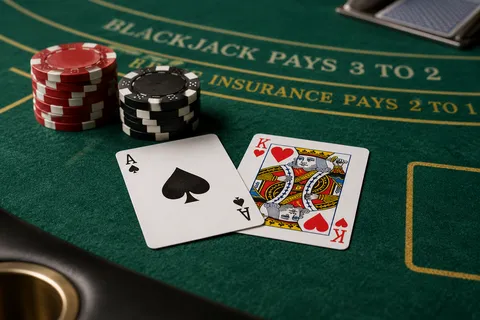
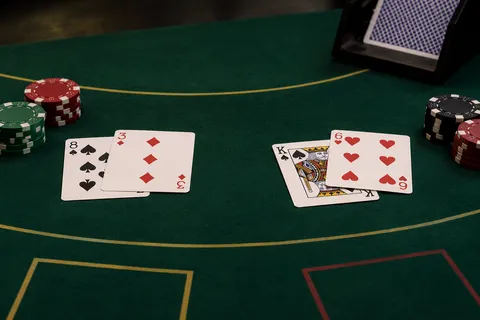
In blackjack each hand plays against the dealer and tries to approach 21 without exceeding it. Cards 2–10 count at face value, picture cards count 10 and an ace counts 1 or 11, whichever benefits the hand. Table rules—including blackjack payout, dealer draw, doubling and splitting—materially change expectation.
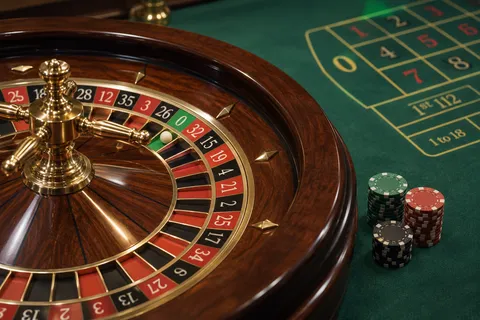
Roulette settles every bet from the pocket in which a ball comes to rest. A European wheel has 37 pockets numbered 0–36; an American wheel adds 00 for 38 pockets. The zero—and double zero—creates the house edge because payouts remain based on odds slightly more favourable than the true probabilities.
A slot converts a stake into a random result under its mathematical configuration. Symbols, paylines, ways, wilds and bonuses only make sense alongside the exact version’s paytable. In a certified game the random-number generator determines the outcome; the reel animation displays it and is not a skill phase.
In Punto Banco, participants do not choose whether to draw: two hands named Player and Banker receive cards under a fixed tableau. Bets predict which hand will finish closer to 9, or a tie. The names do not mean the seated player and casino; they are simply the two sides.
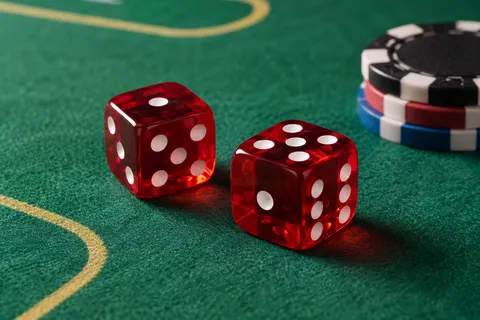
Craps uses two dice and a two-stage cycle. The shooter begins with a come-out roll: it may resolve on 7, 11, 2, 3 or 12, or establish a point. Once set, rolling continues until that point repeats or a 7 appears. The layout seems complex because it combines bets on different events and durations.
A sports bet concerns a defined market—result, total, handicap, player or event—and settles under written rules. Decimal odds show potential total return per unit including the stake. They reflect estimation, commercial balance and operator margin; they are neither an objective probability nor a promise.
A horse-race bet predicts a race outcome under a defined formula: win, place, exact order, forecast or a wider combination. Two principal models are fixed odds, accepted subject to rules, and pari-mutuel betting, where winning stakes divide the pool after deductions. Under the latter, the final dividend is not known until the pool closes.
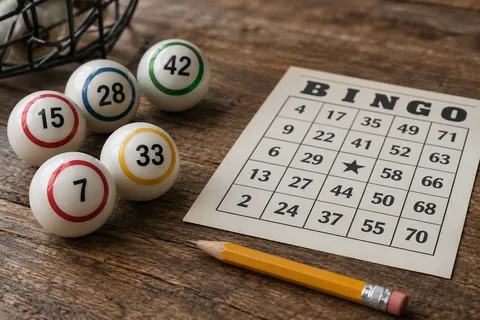
In bingo, each card contains a selection of numbers and wins by completing the announced pattern before other participants. Ball count, card layout, price, prize pool and sharing rules vary by version. Buying more cards increases coverage and expenditure at the same time; it does not create certainty.
Keno asks the player to choose several numbers from a larger set before a draw. Payment depends on selection size, number of matches, stake and the version’s paytable. Choosing more numbers creates more possible matching outcomes but changes the thresholds and does not guarantee a better return.
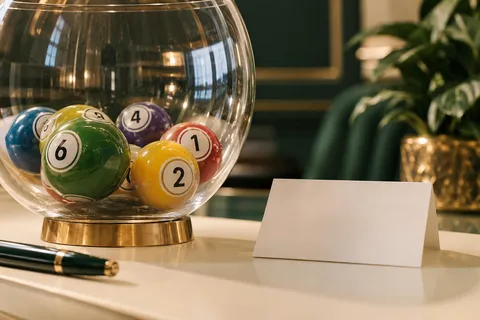
A draw lottery awards prizes by matching a validated combination to extracted numbers. The jackpot attracts attention, while lower tiers have different probabilities and amounts. Add-ons, multi-draw entries, sharing rules and claim deadlines all affect real cost and outcome.
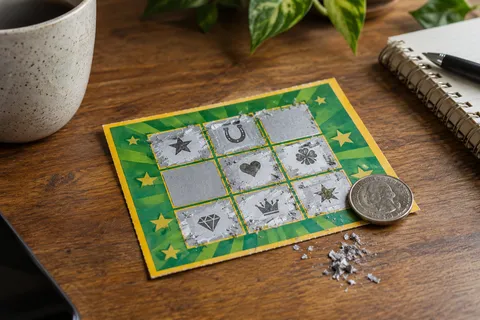
A scratch card is an instant lottery: the ticket or play outcome exists before it is revealed. Removing the coating or starting an animation exposes symbols and amounts. A published prize frequency often includes low awards and must not be confused with the chance of receiving more than the ticket price.
Objective : Beat the dealer without exceeding 21 Natural blackjack : Ace plus a ten-value card Dealer : Acts under a fixed rule Choices : Hit, stand, double, split
Objective : Form a paying combination Outcome : Certified random-number generator Reference : Exact version’s paytable Pace : Very fast when spins repeat
Objective : Predict a defined finishing result Pari-mutuel : Pool shared after deductions Fixed odds : Accepted price under rules Critical detail : Non-runners and place terms
Objective : Complete the announced pattern Common formats : 75 or 90 balls Main choice : Number of cards bought Critical detail : Validation and sharing rules
Objective : Match a number combination Top tier : Usually very low probability Prize : Fixed, variable or shared Critical detail : Validation and claim deadline

 AI-generated image · WORLD GAMBLING GUIDE